Creating a trusted view of physical inventory for Croperation
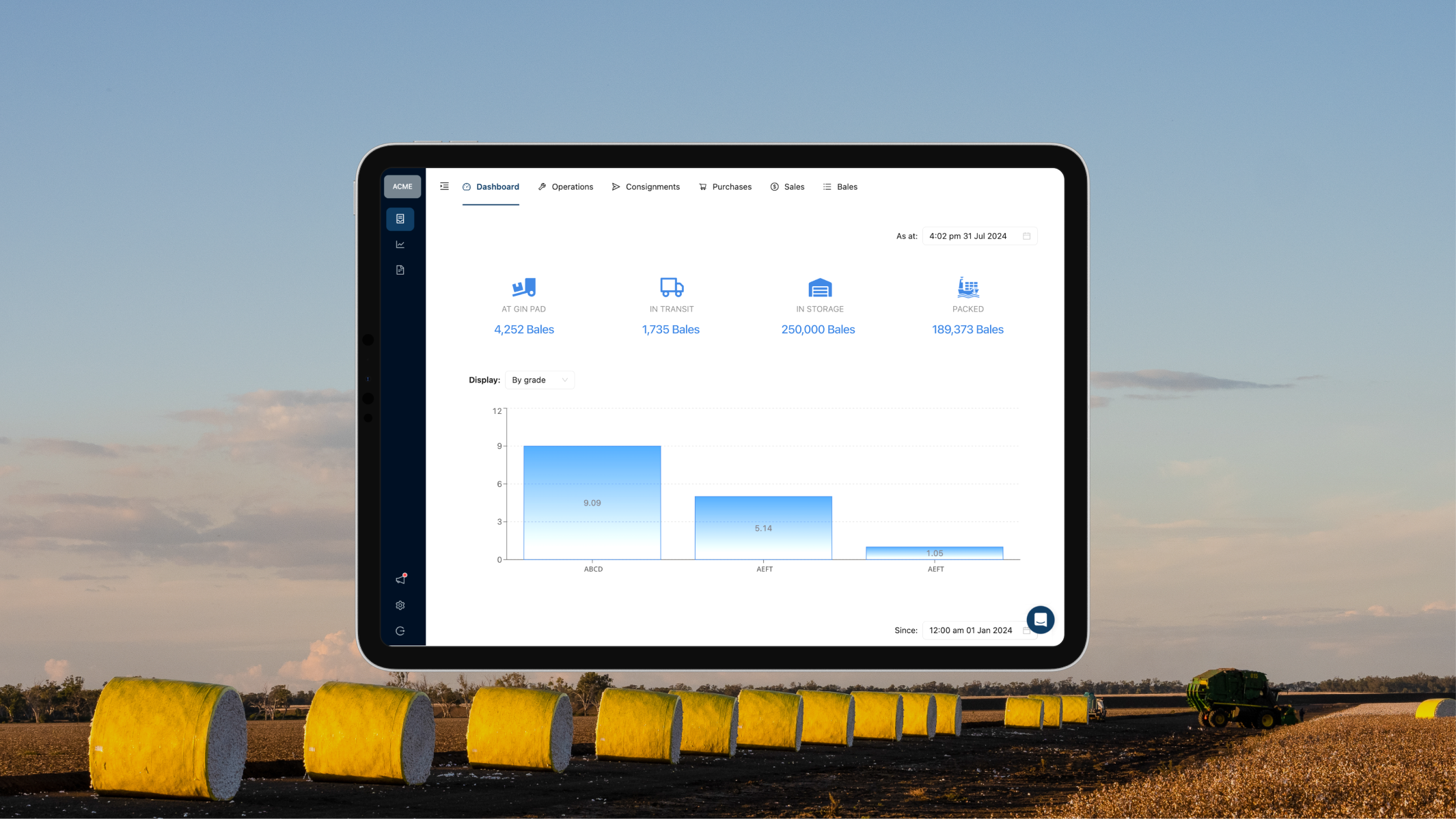

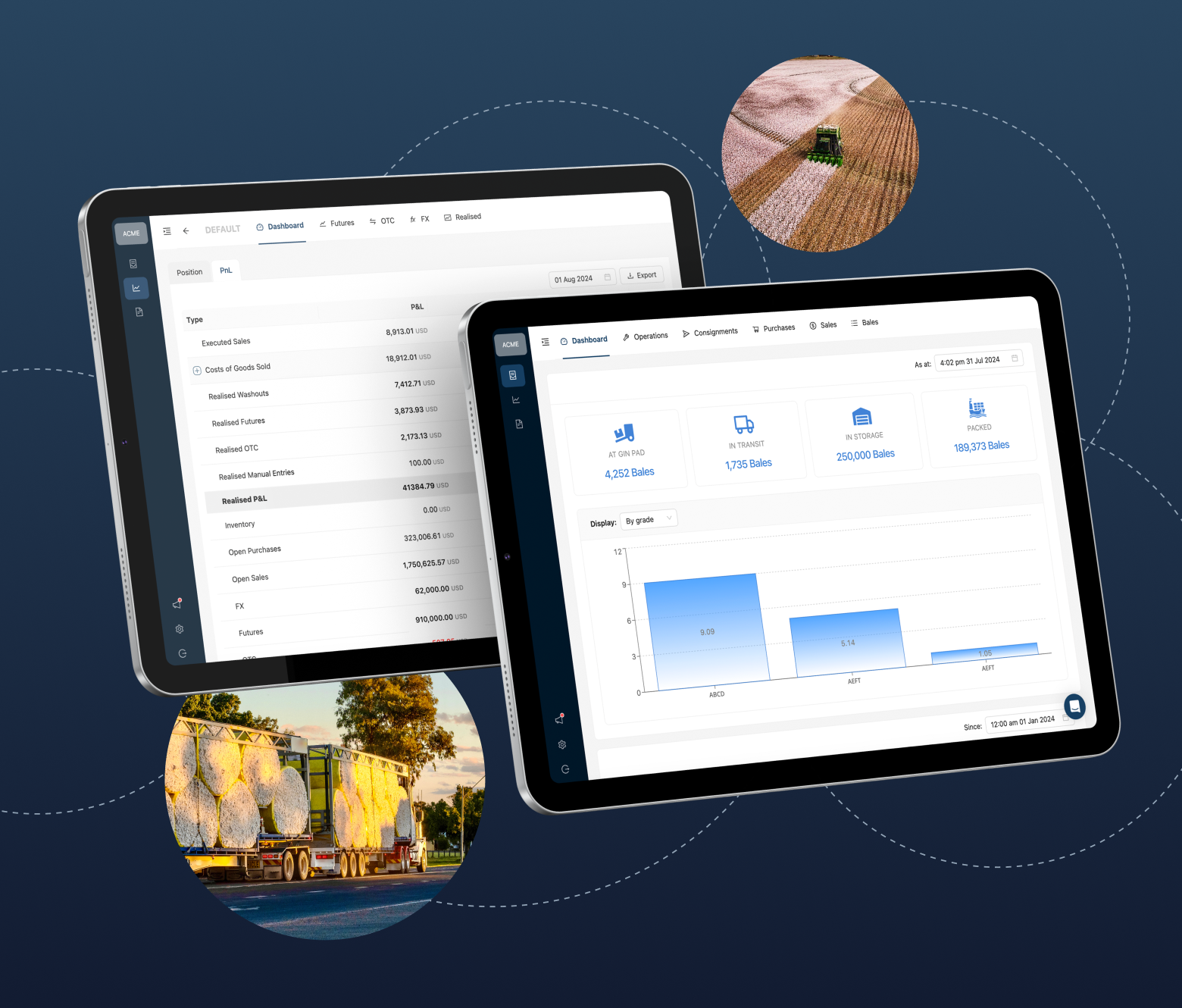
Inventory experiences built around real operations
Receiving and visibility
Receipt and registration of physical inventory, with visibility by location, provider, grade and quality, and clear availability and ownership status.
Operations teams can see what stock has arrived, where it’s held and what condition it’s in. Traders know what’s free to sell and what’s already committed, without chasing warehouse records or spreadsheets.
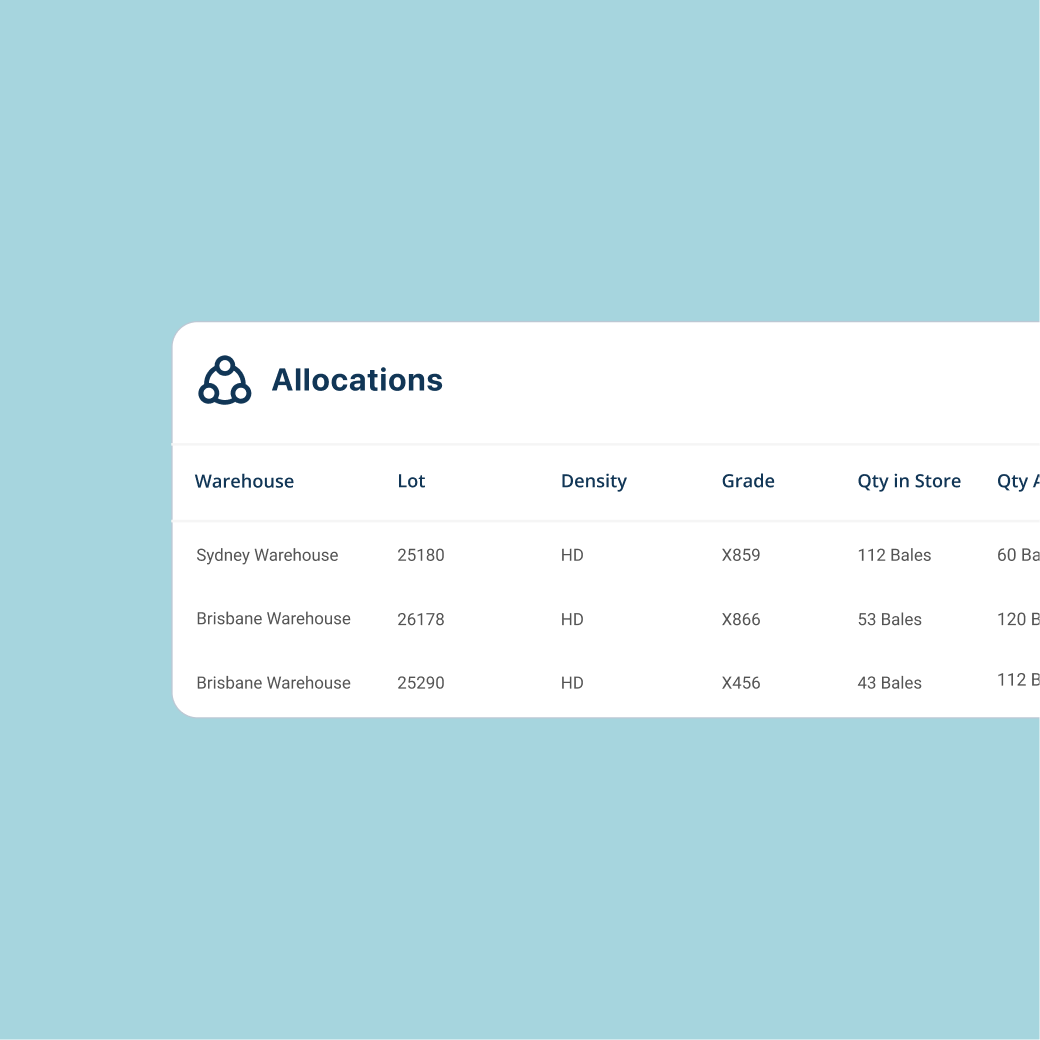
Allocation and traceability
Purchase-to-sale allocation, including partial and split allocations, with traceability across bales, lots and loads.
Users can match the inventory they’ve bought to the contracts they’ve sold, even when one purchase is split across several customers. Each bale, lot and load can be traced back to its source, so teams can answer customer questions quickly and with confidence.
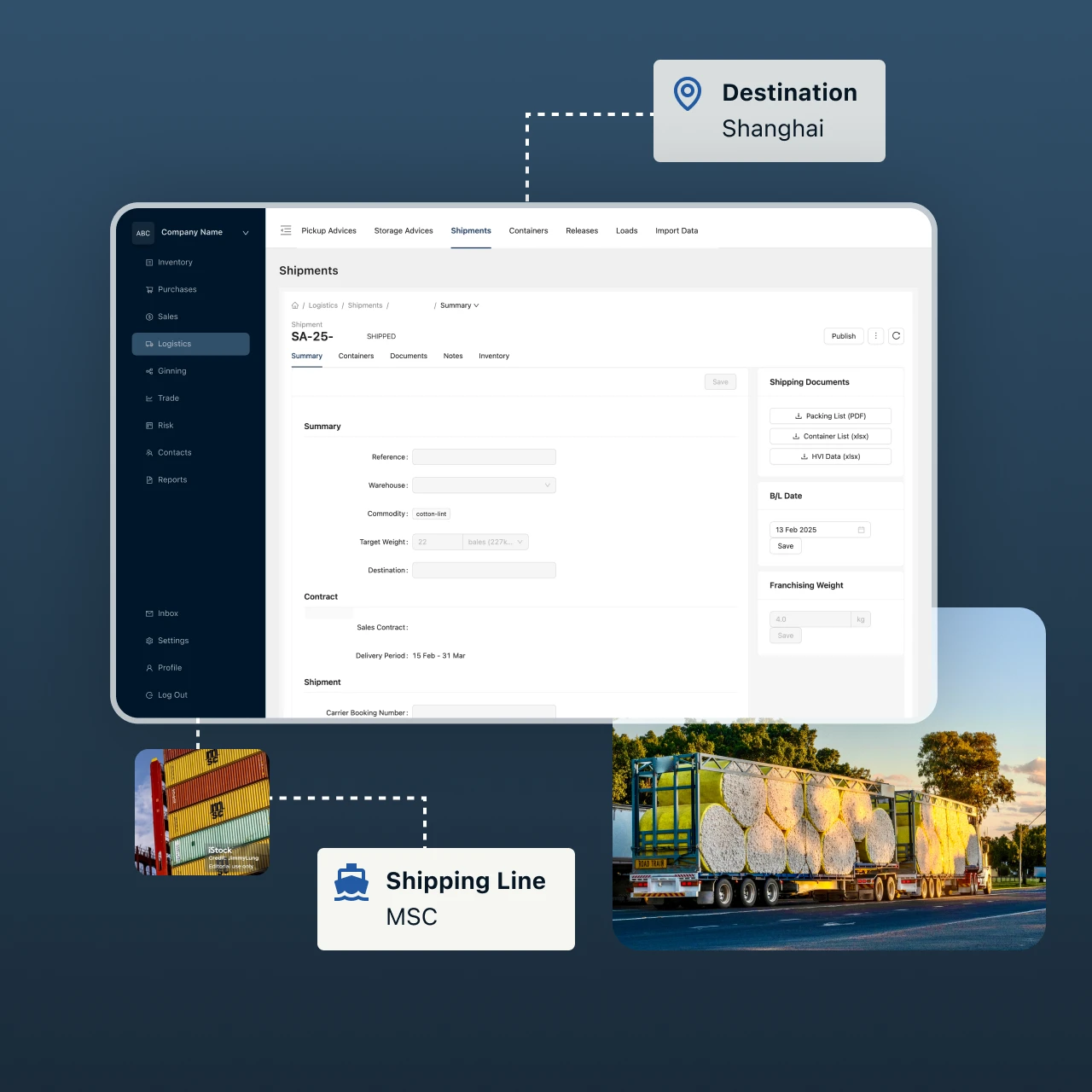
Movements, exceptions and audit
Inventory movements and status changes, exception identification and reconciliation, search, filtering and data-rich operational views, and audit history across critical actions.
As stock moves, changes status or is corrected, the platform records what happened and who did it. Exceptions are flagged so teams can resolve them early, and the audit history gives managers a reliable record when they need to check a decision.
One shared inventory position
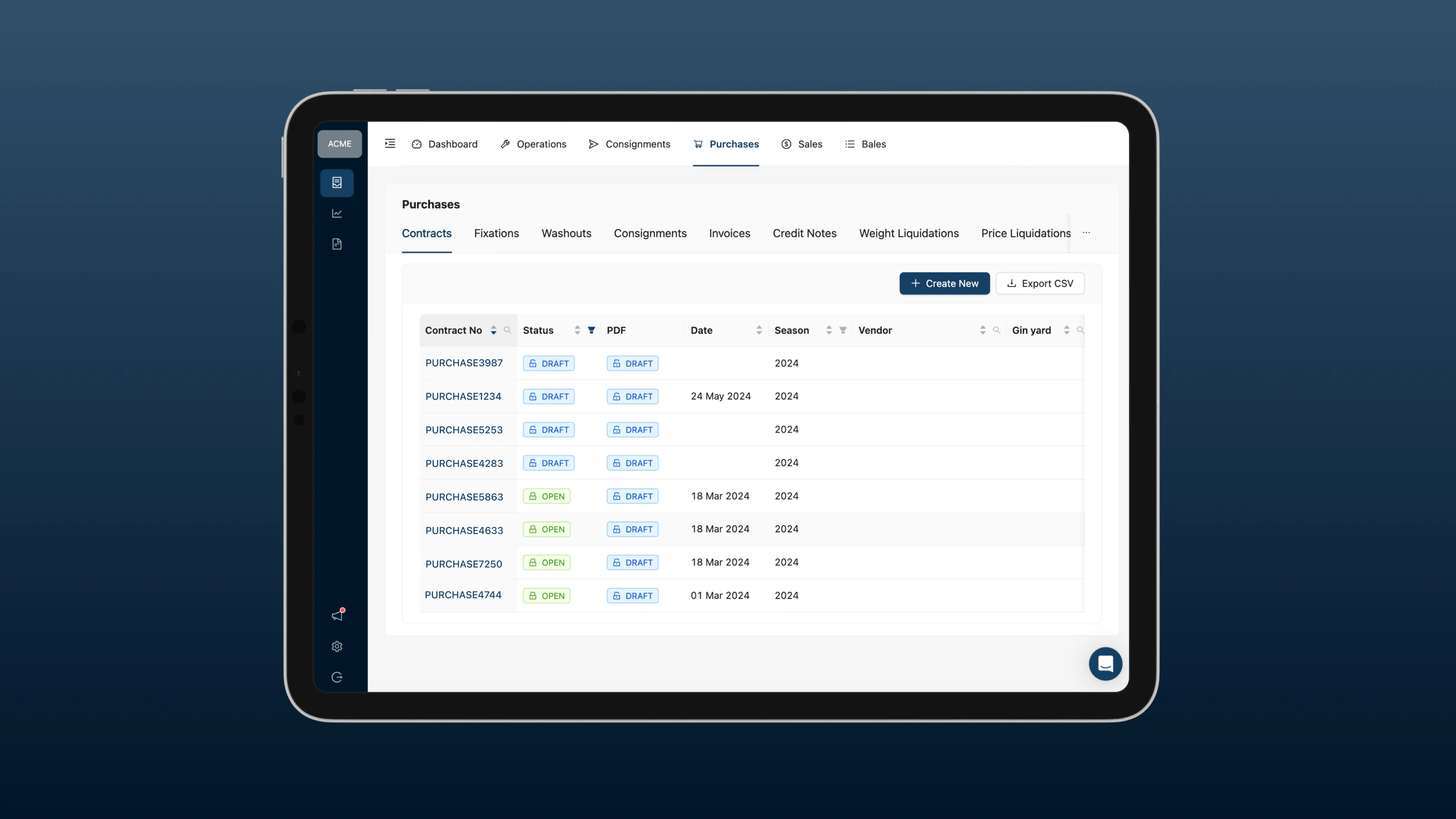
Have a complex operating environment that needs to become a connected product?
Talk to Upgrowth about your product.
See more of our work
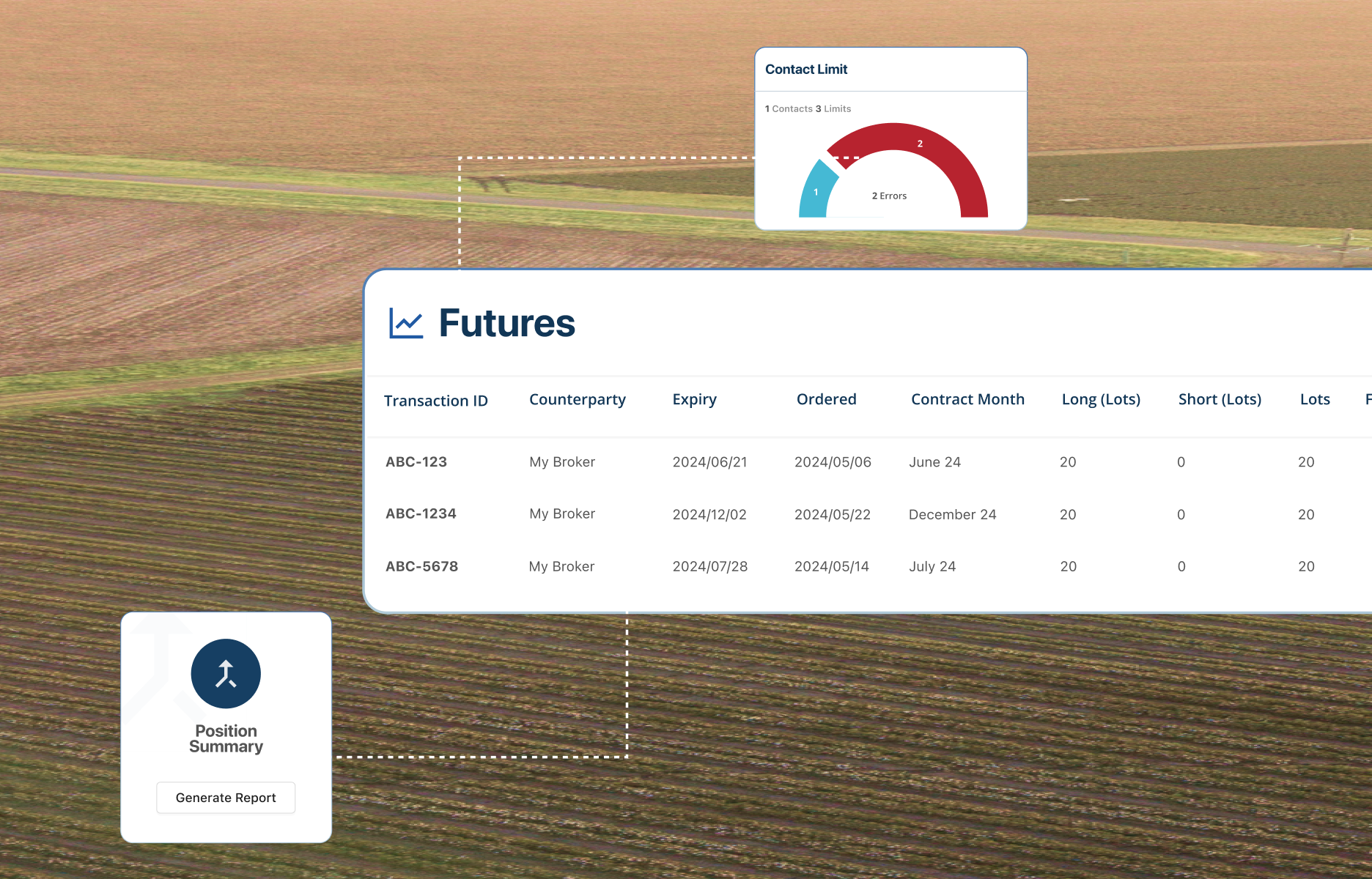
Making complex commodity positions easier to understand. Traders and finance teams see contracts, pricing, commitments and exposure together, so they know what has been bought, sold and remains open.
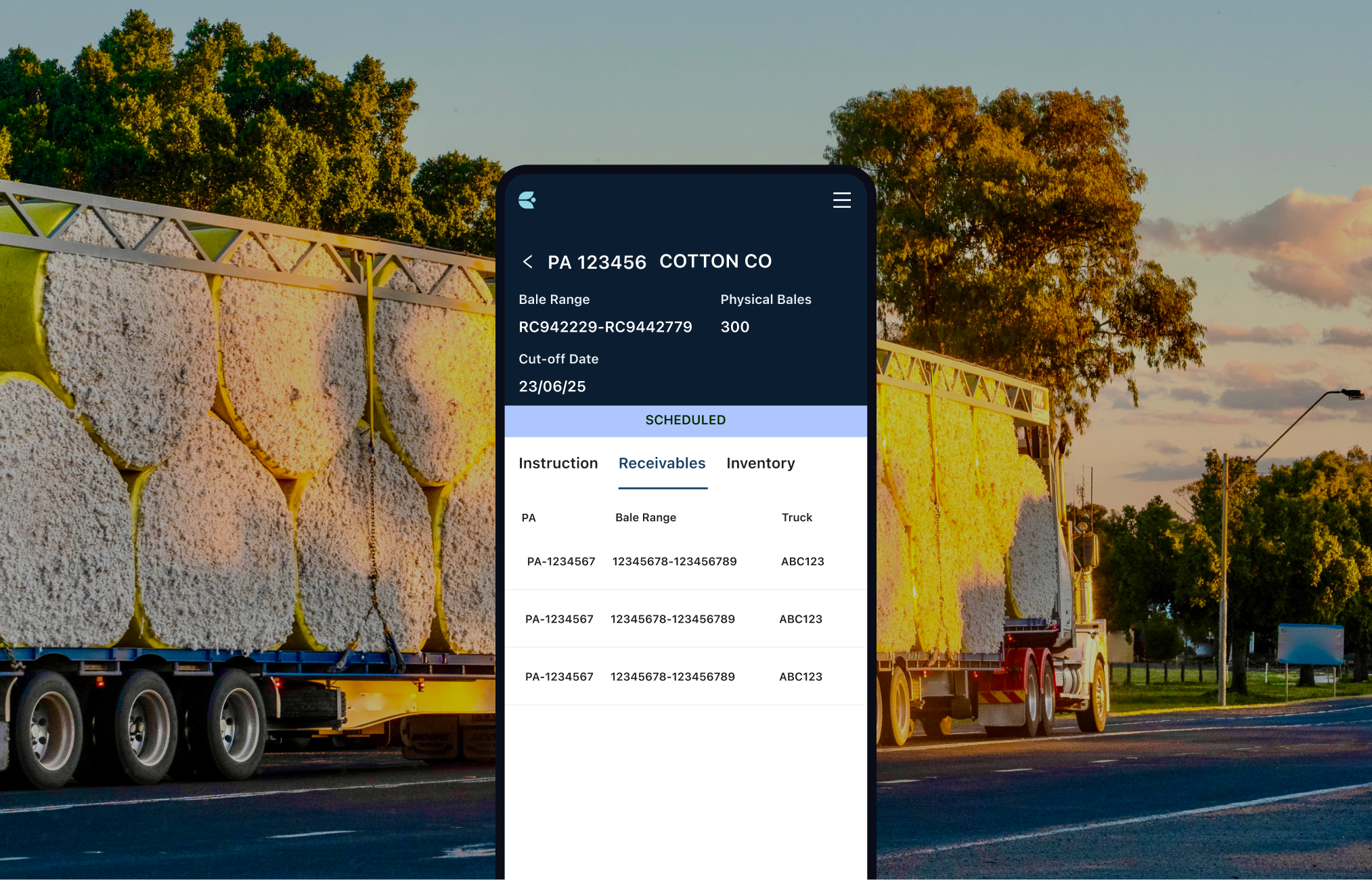
Connecting commercial commitments with physical delivery. Task-focused workflows help logistics teams plan and complete movements, and each delivery is linked back to the contract it fulfils.
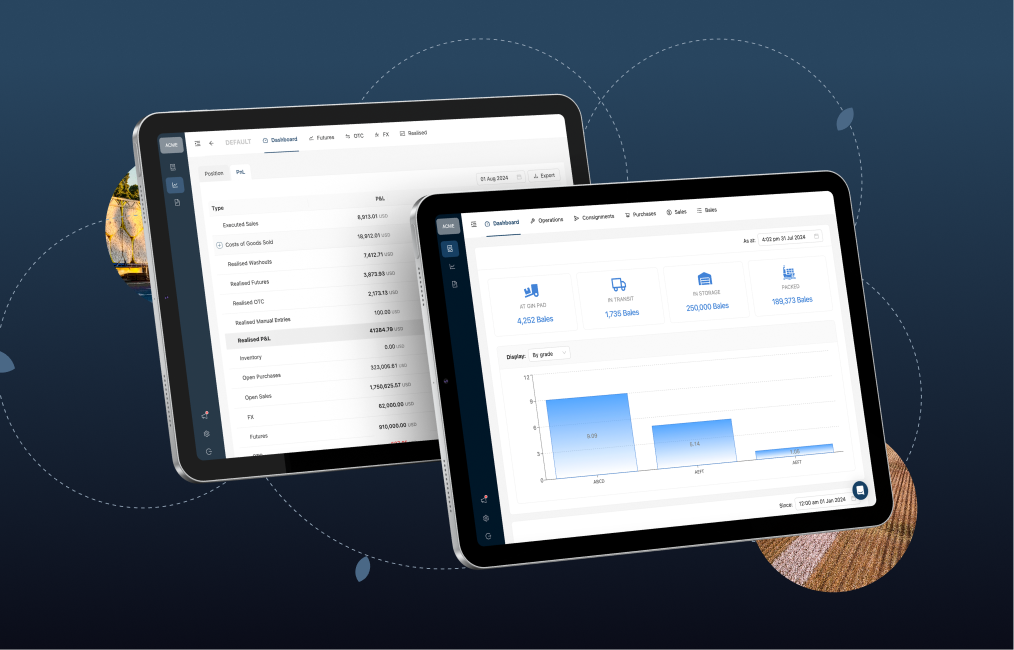
Turning the research into a working platform. We designed the experience and the design system, set the solution architecture, and built the product with Croperation, then kept adding capability as the business grew.